
One life.Made new.
This is the whole of it: what he did, what it cost, and what the grace of God has been doing in him ever since. We tell it plainly, because the truth is heavy enough on its own.
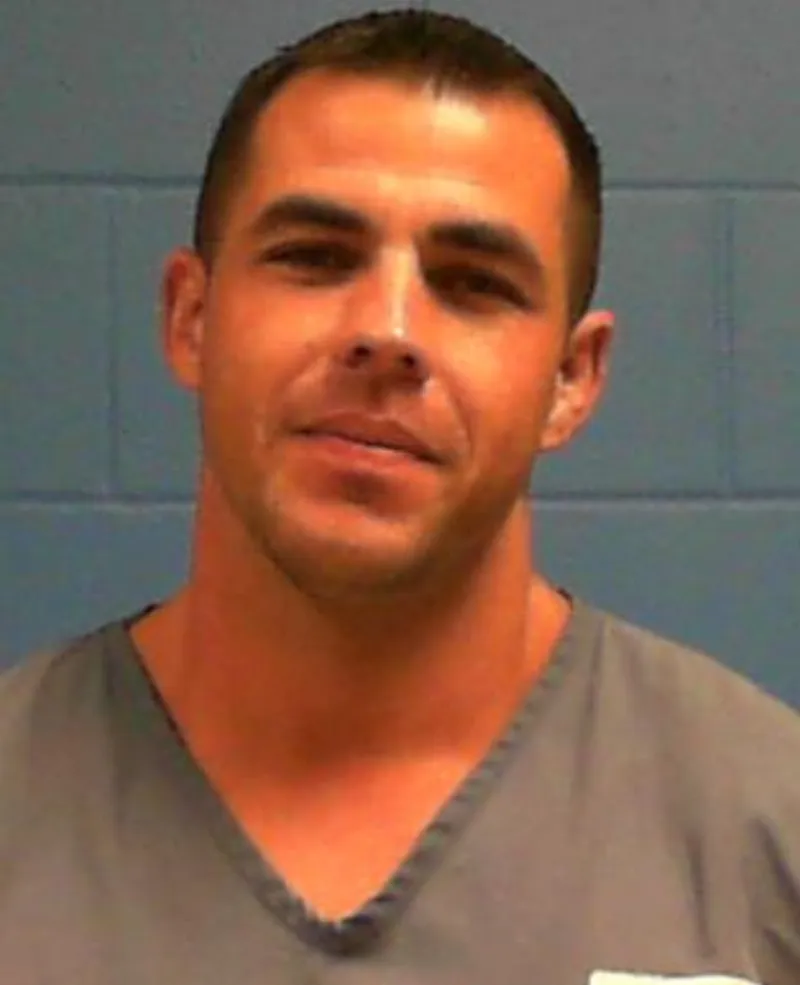
He grew upinside the cycle.
Gary's father had been in prison. The statistics say that alone made Gary six times more likely to end up there himself. He watched his mother get beaten. By fifteen he was violent too, and his first victim, to his own shame, was his mother.
What he did.
On May 19, 2003, at age nineteen, Gary took part in a home invasion and robbery in Pasco County, Florida. A woman named Josephine Jean Nuvolone, sixty-seven years old, was killed. Gary was one of three suspects convicted in the case. He was sentenced to life without parole.
He has never denied it. He has never asked anyone to look past it. Her death is the most serious fact in this story.
November 30, 2007.
Four years into a life sentence, in a six-by-nine solitary cell where a man is meant to be broken, Gary met the Holy Spirit instead. He walked in condemned. Something in him came out alive. That was more than eighteen years ago, and it has never once let go.
One of the first things it produced: he forgave his father for the violence that shaped his childhood. He says that was the key. He could not blame his father for the cycle and excuse himself from his own part in it.
What followed.
A jailhouse conversion is easy to claim. So look at what grace has grown in the years since, written down year after year by the state that holds him.
The cycle broke.
On a Mother's Day visit, Gary asked his mother to forgive him for the violence he committed against her at fifteen. After that conversation, she received Christ. She died having seen the change in her son.
His son Mitchell forgave him too, through the Malachi Dads prison program. Mitchell has stayed out of the cycle that held three generations of Farrington men before him. Of everything on this page, that may matter most.
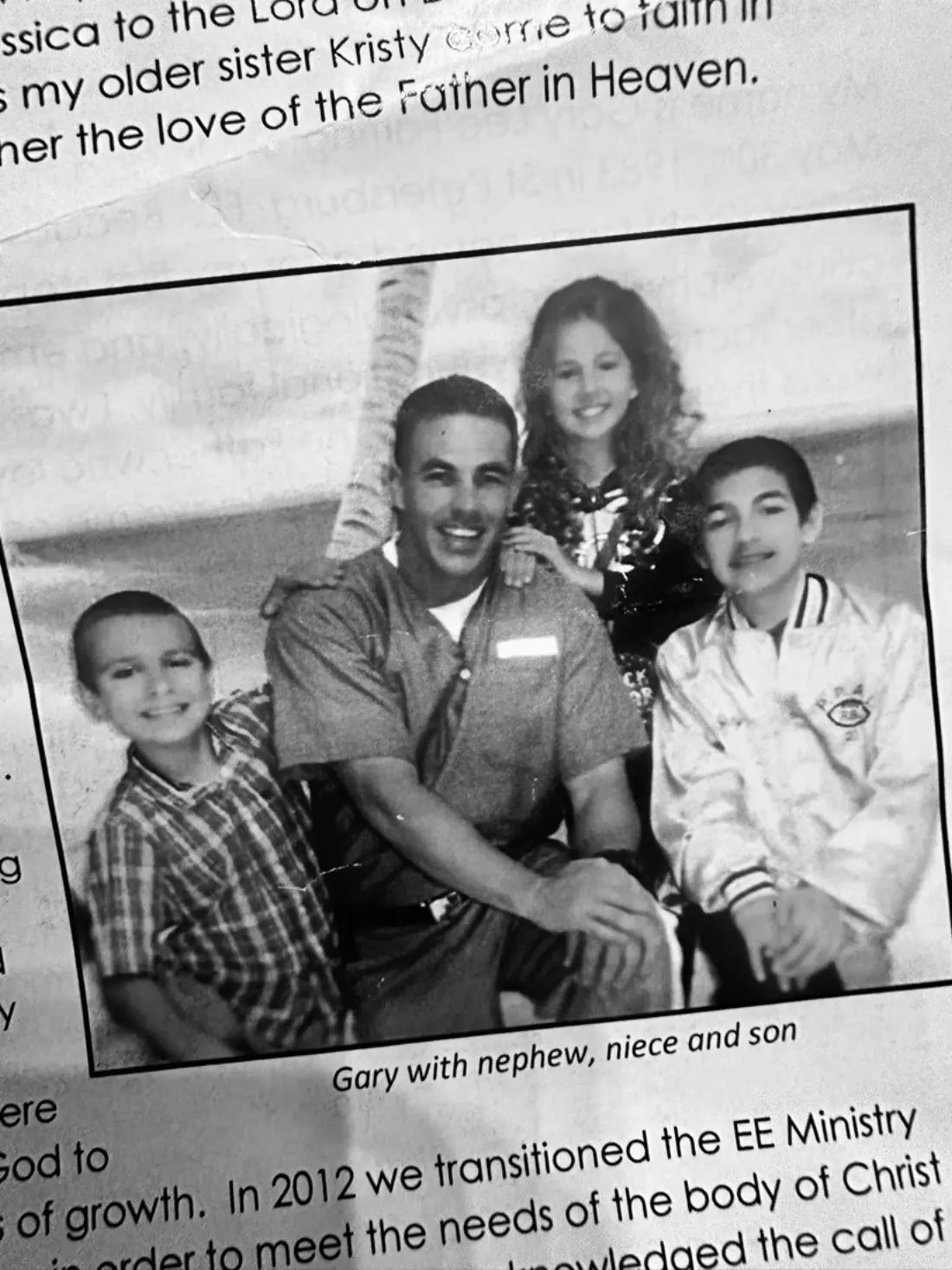
Even thesystem knows.
Florida moved Gary to Hamilton Correctional Institution, a re-entry facility for men serving three to five years who are close to release. Gary is serving life. The system put him there because his mentorship helps other men get ready to go home.
Gary is serving a life sentence surrounded by men serving three to five years, because even the prison system knows his impact changes lives.
What he ispreparing for.
Gary's plan for life after prison is work: mentoring men coming home, and reaching at-risk kids before they become what he was at nineteen. In his own written mission, he wants "to proactively strengthen and habilitate at risk youth before they become violent offenders."
And one more thing, in his own words: Gary wants his future foundation to carry Josephine Nuvolone's name, as a permanent way of owning what he did.